Targeted repair
Targeted repair reconnects a specific failed seam, flashing or puncture to sound compatible material. The patch and preparation have to suit the membrane already installed.

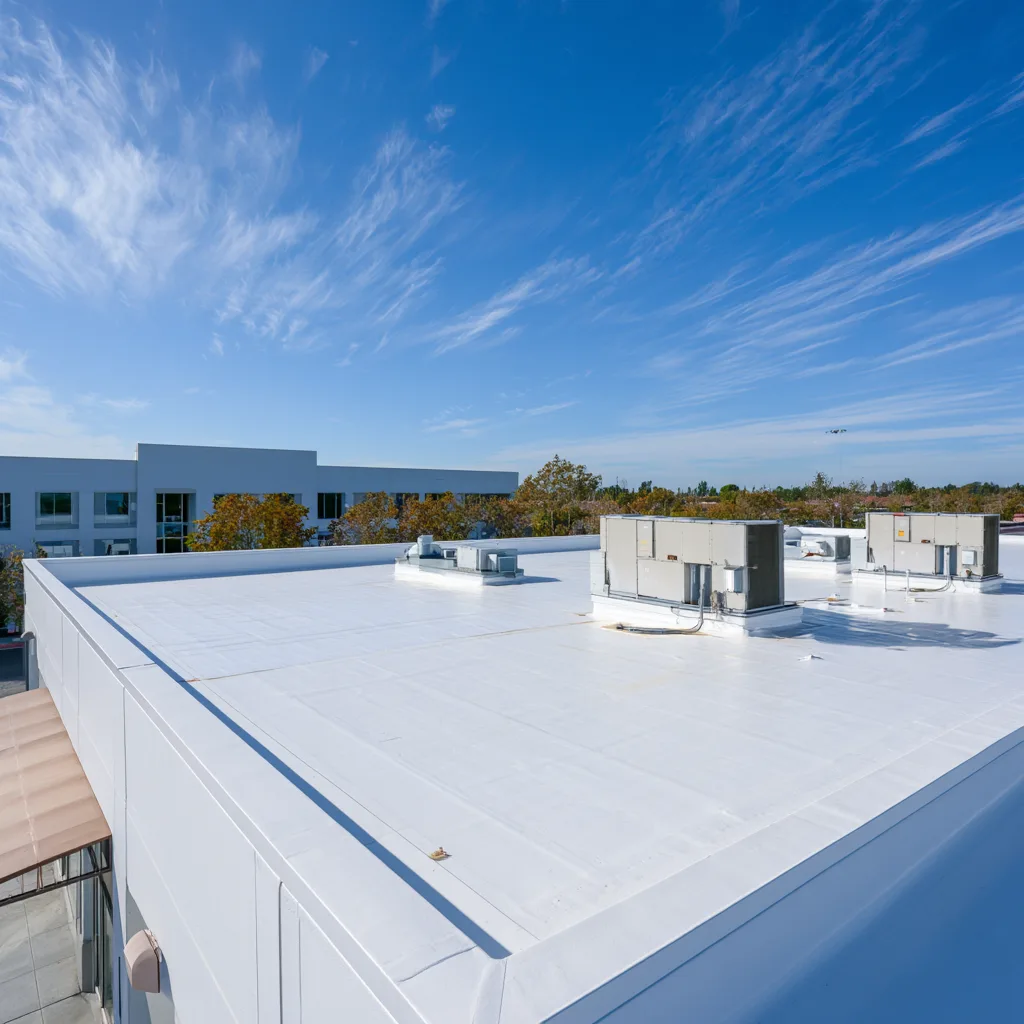
Commercial roof repair, maintenance, restoration and replacement planning for De Soto business properties.
A leak over inventory or an occupied office calls for a roof decision that fits the building's operation. We assess the roof surface, drainage and details around equipment, then explain what a repair, restoration or replacement would need to accomplish. Access and protection for the spaces below belong in that same plan.
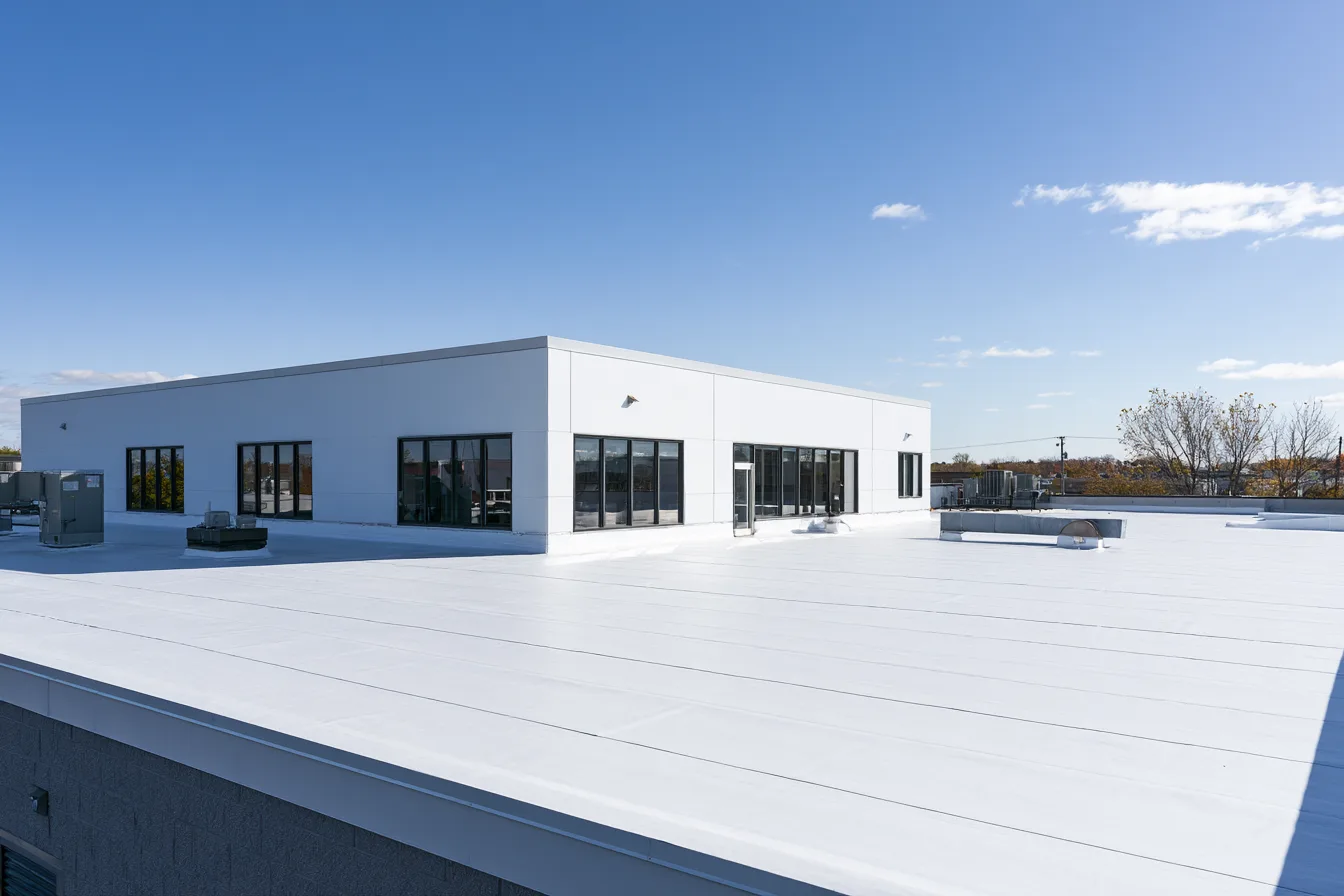
A membrane field can look intact while a seam, curb or drain detail lets water below it. We examine those transitions and the roof's attachment and condition. Moisture beneath the membrane changes the repair question because wet insulation cannot be made dry and sound by covering the surface. Where the condition of concealed layers is uncertain, the assessment needs an appropriate way to resolve it before restoration is selected.
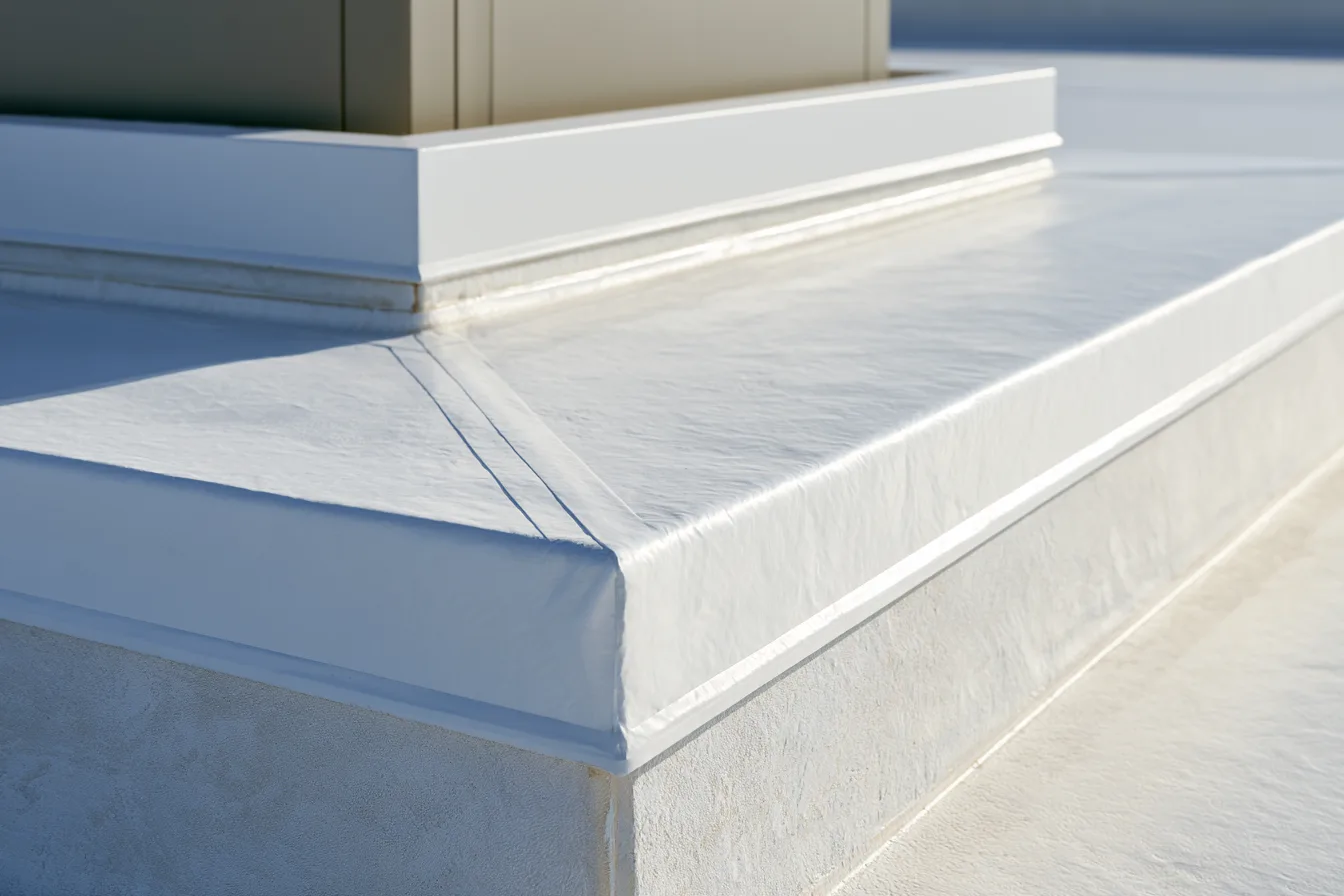
Targeted repair reconnects a specific failed seam, flashing or puncture to sound compatible material. The patch and preparation have to suit the membrane already installed.
Restoration or coating depends on a dry, sound, well-attached roof and compatible preparation. Drainage and open details need correction first. A new coating cannot replace failed insulation or repair a loose substrate.
Recover and replacement are separate choices. Existing layers, moisture, attachment, structural loading and the applicable code limit a recover. Replacement exposes more of the assembly and permits failed layers to be removed; the building assessment determines the appropriate route.
For an occupied building, the plan addresses roof access, material loading, protected entrances, interior exposure and coordination around rooftop equipment. Work near a mechanical curb needs to account for the equipment connection, rather than treating it as an isolated roofing patch. Phasing follows those constraints and weather protection, with scheduling agreed for the particular building.
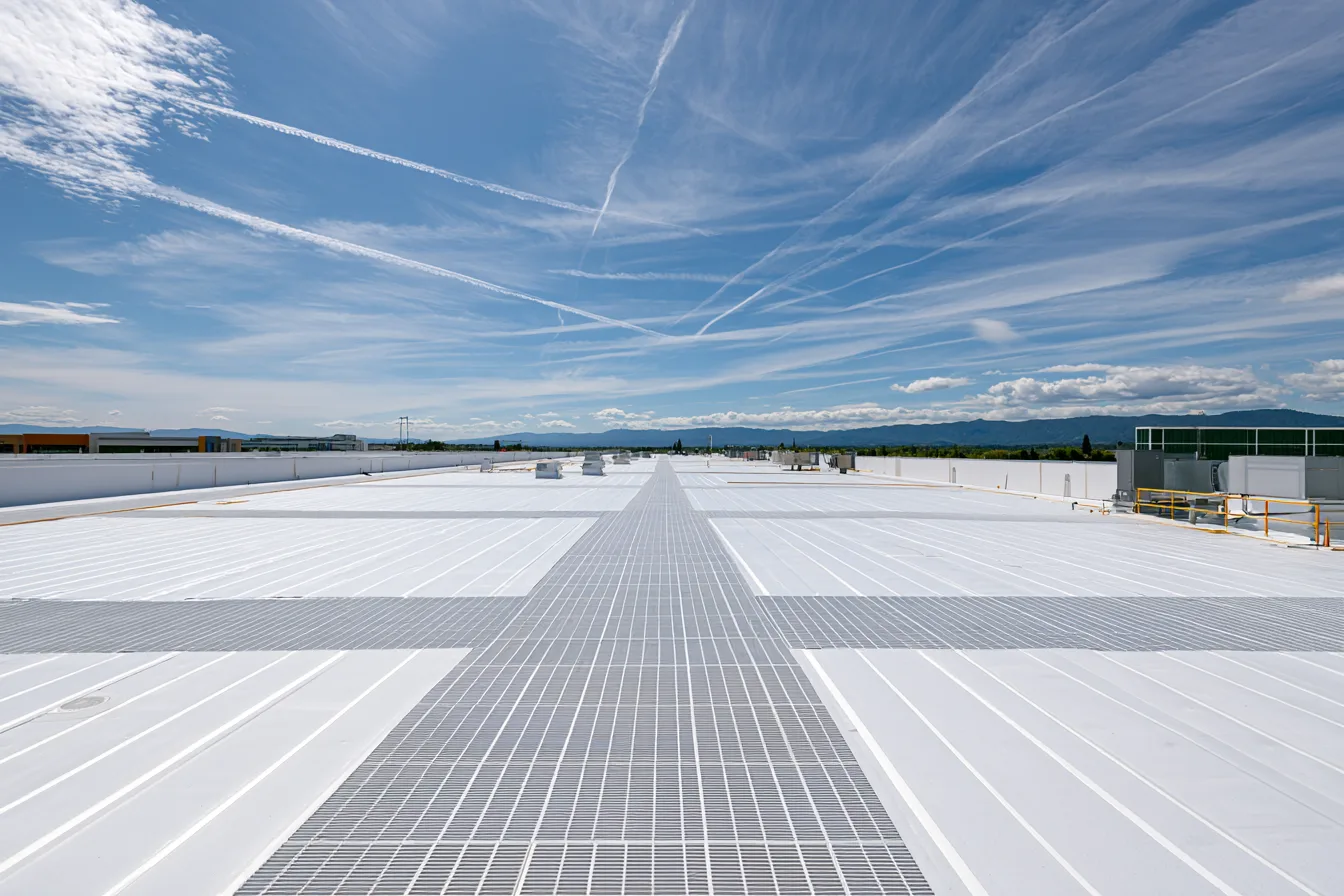
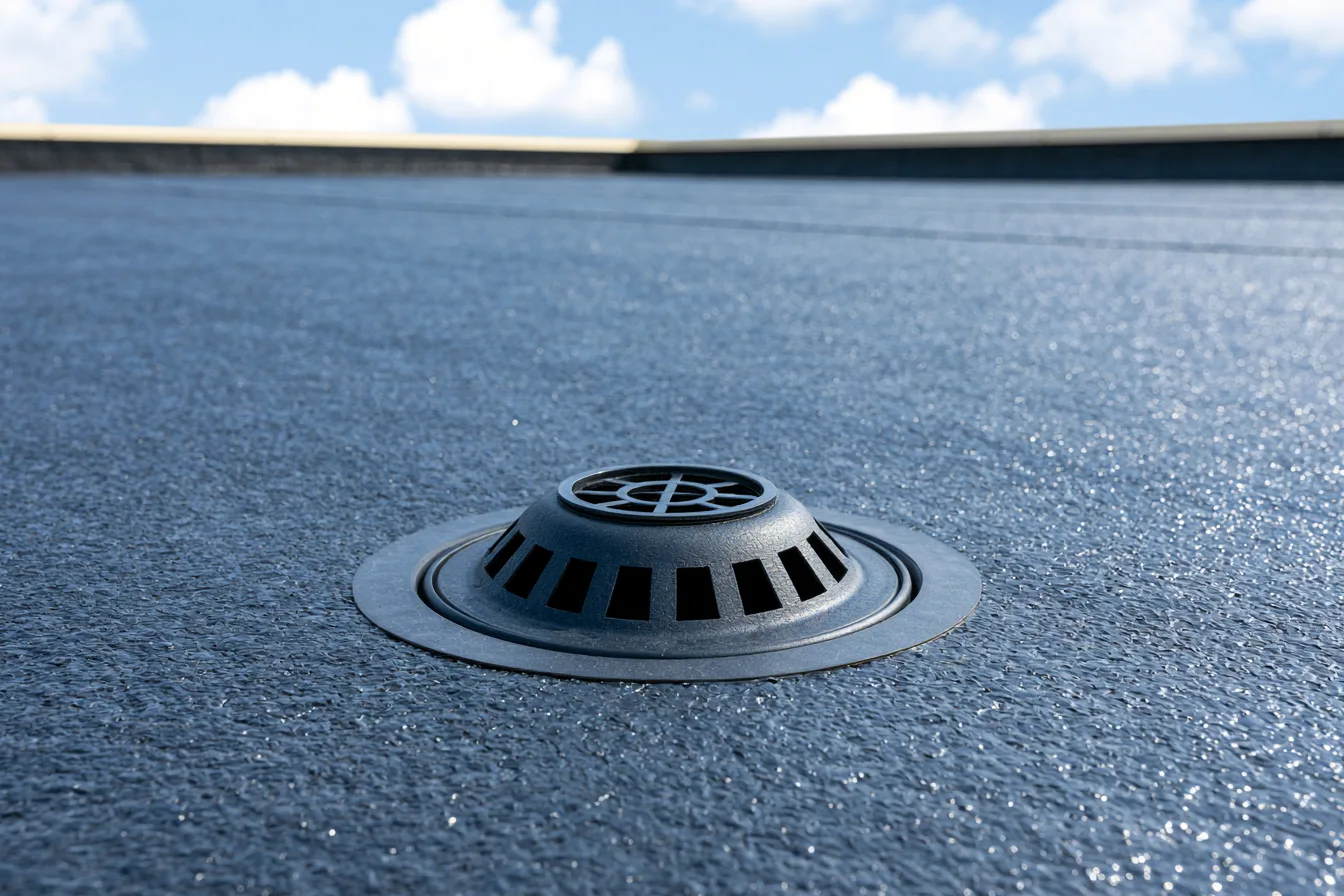
Trace low-slope leaks through seams, drains, curbs and connected layers.
Explore Flat roof repair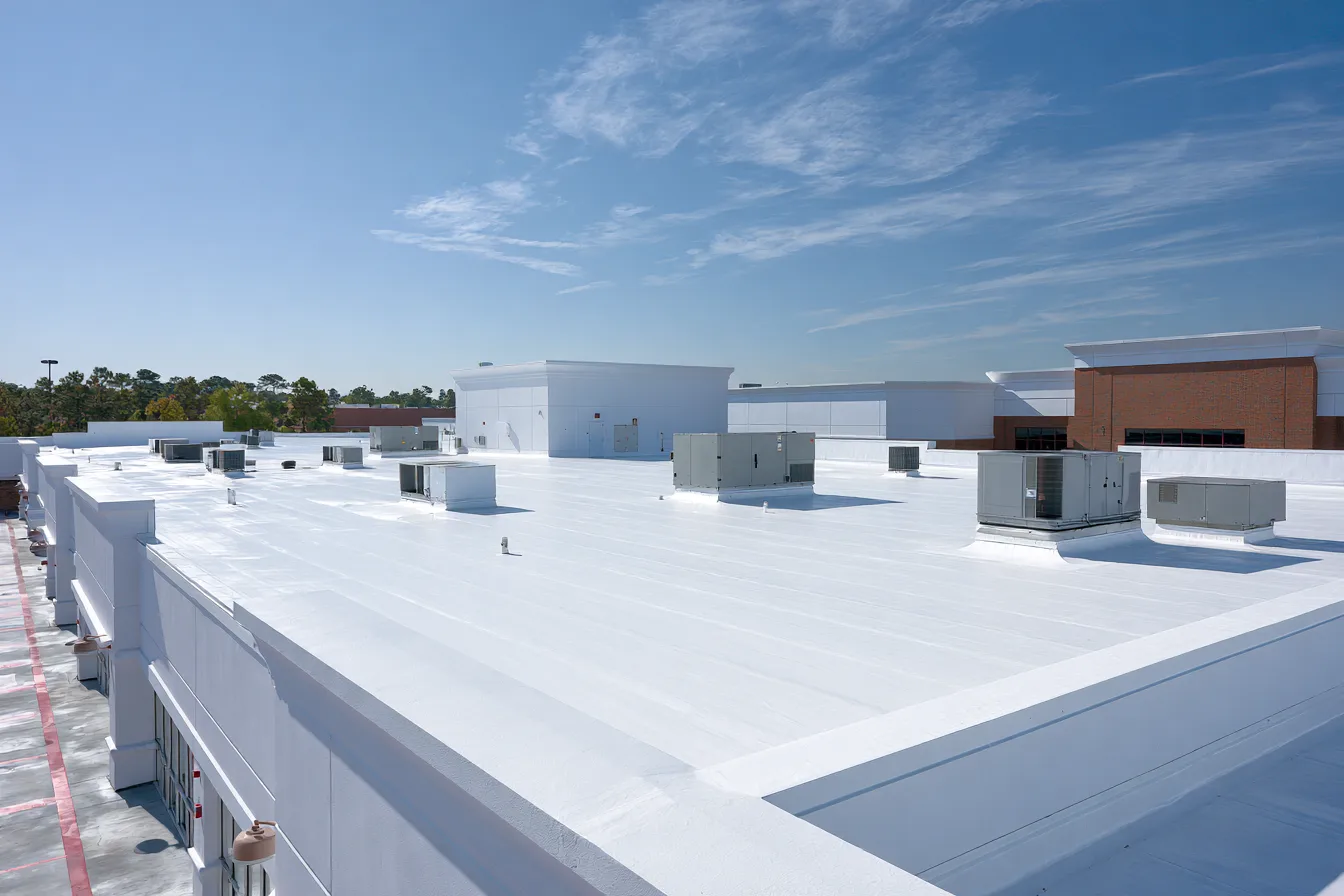
Assess welded seams, attachments and flashing on a thermoplastic membrane.
Explore TPO roofing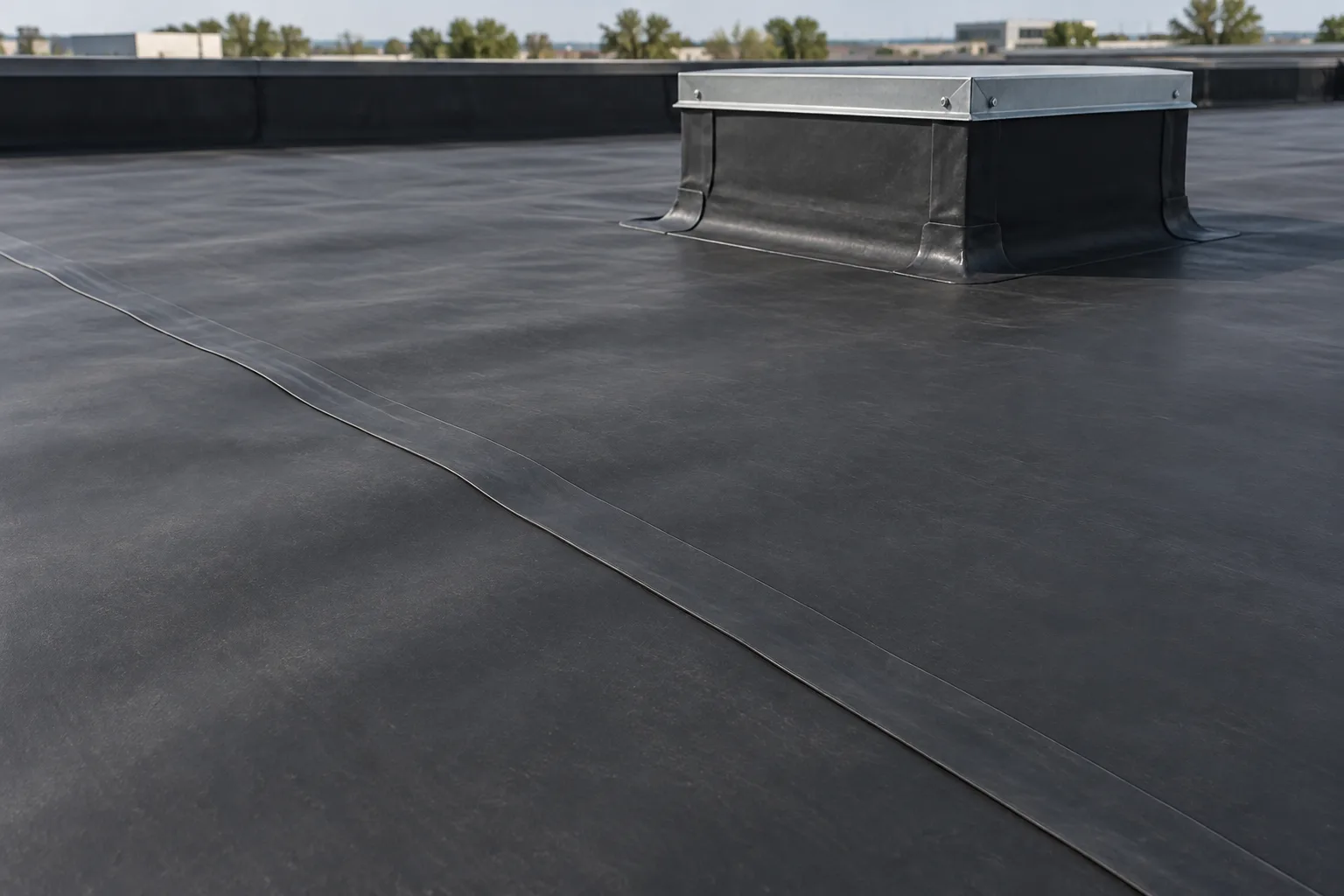
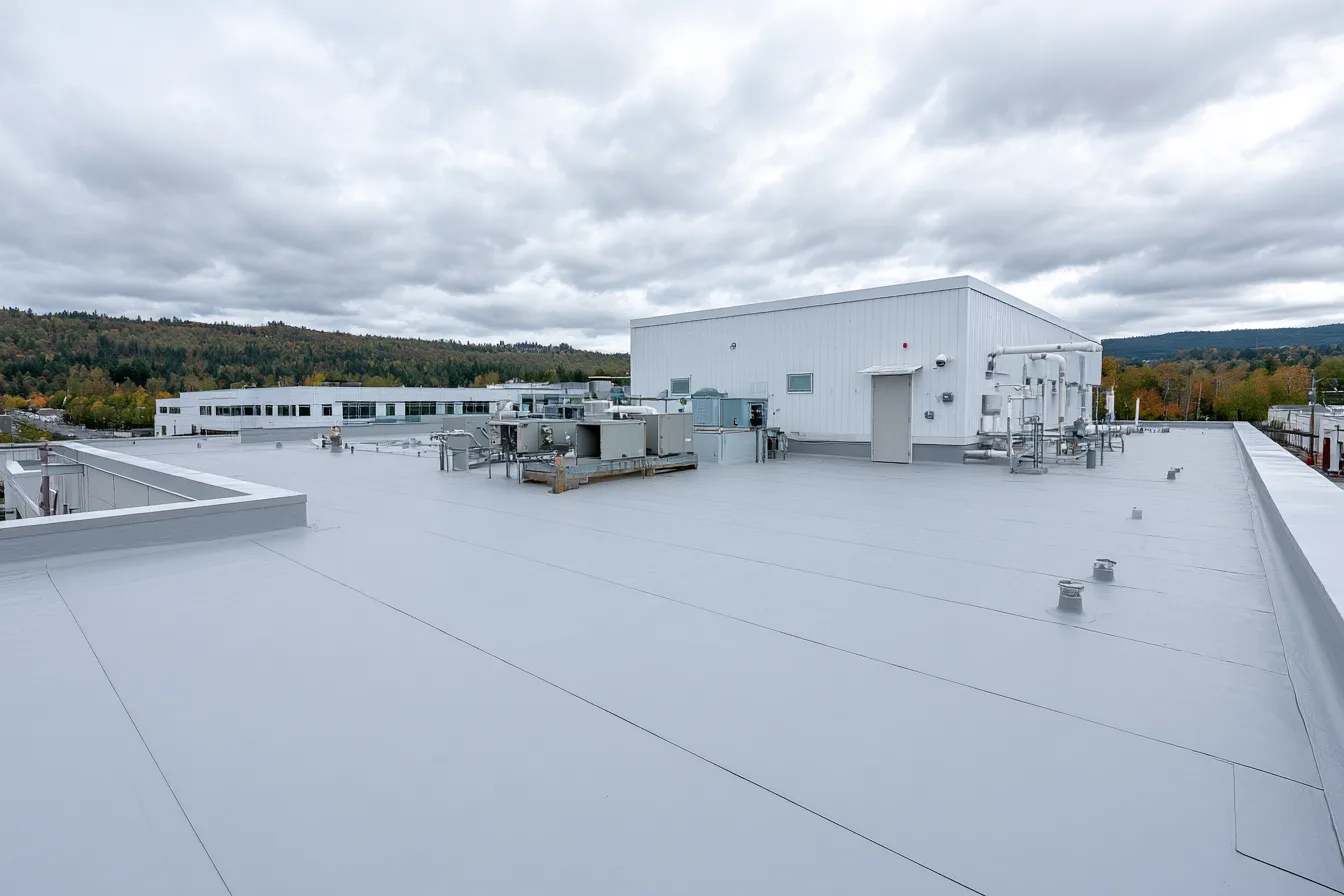
TPO and EPDM call for different seam and repair methods. Flat-roof repair focuses on drainage and interrupted surfaces. Maintenance keeps roof details and water routes under observation, while coatings need a suitability assessment. Each offered system page explains what changes the work instead of treating every low-slope roof as interchangeable.
De Soto uses a separate commercial building-permit process. A residential reroof checklist does not settle commercial plan, structural or inspection requirements. The project scope and property jurisdiction determine those arrangements.
Layers, moisture, attachment and structural questions.
Drainage, insulation and compatible new materials.
Access, loading, protection and equipment coordination.
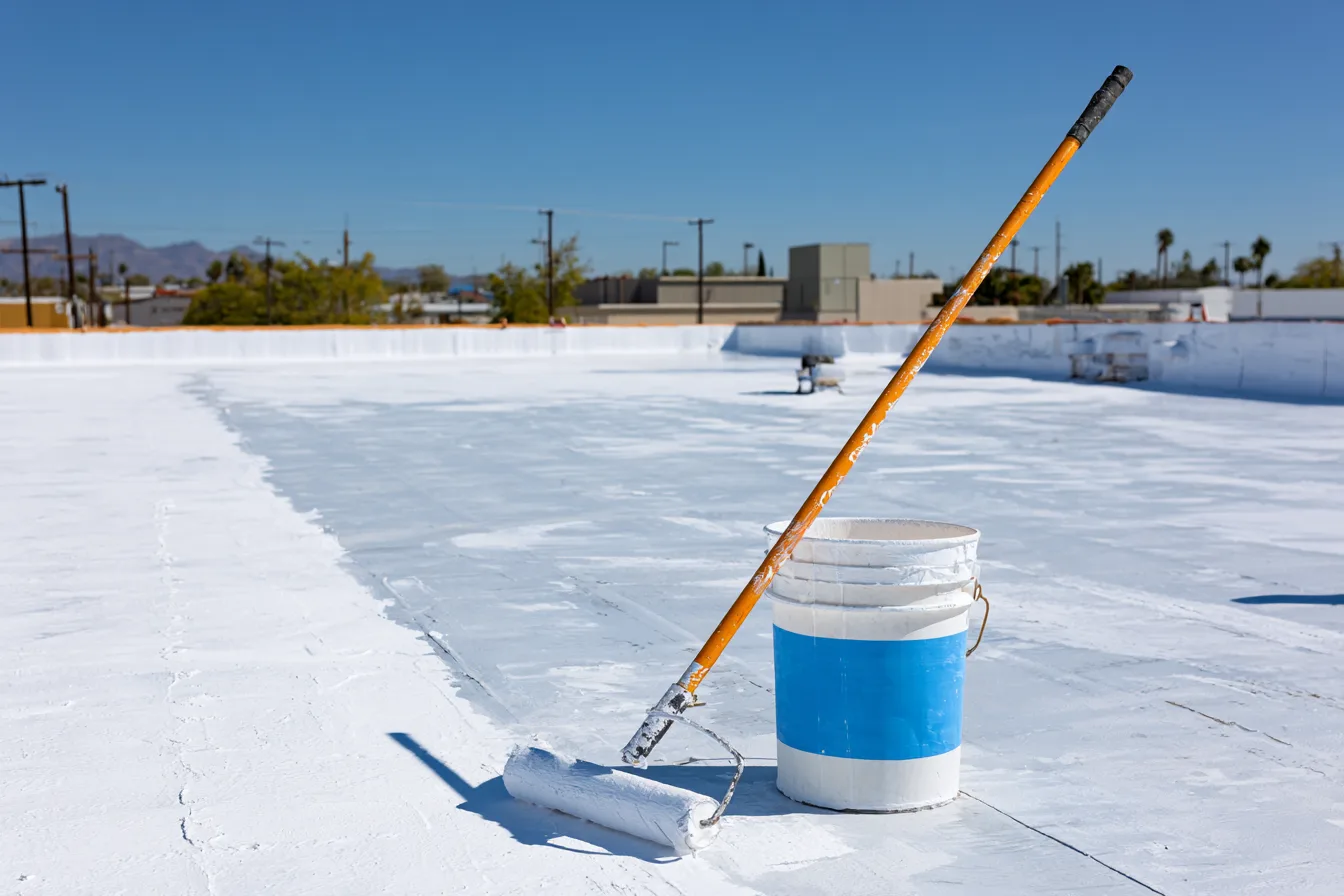
A coating can extend a suitable existing roof when its substrate is sound, dry, compatible and properly prepared. Wet insulation, failed attachment and unresolved drainage require different work before a coating is considered.
The work plan needs to account for entrances, loading, occupied interiors and rooftop equipment. The particular roof scope and weather protection determine feasible phasing and scheduling.
Share the property address, the roof concern and how the building is used. Request a free commercial roof inspection.