Concealed fasteners
Standing-seam systems protect their attachment within seams or clips. The specified panel and clip design accommodates attachment and movement, with its own slope and installation requirements.

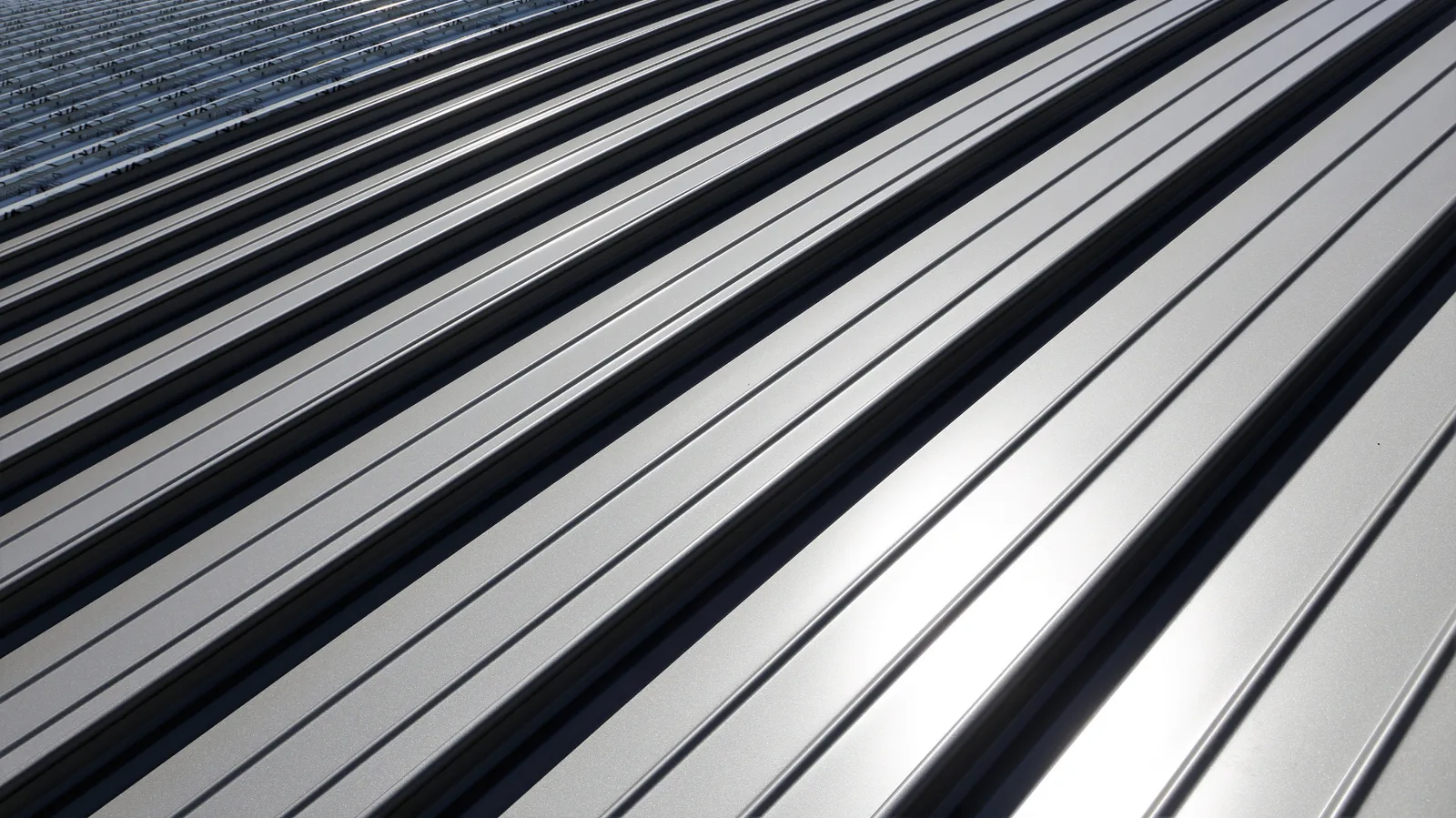
Plan a metal roof by its panel design, attachment, slope and water-shedding details.
Metal roofing is a system of panels, seams, fasteners and flashing. The same color can cover very different panel designs. We discuss the intended roof and the details that must work at its edges, valleys and openings before treating metal as a single upgrade.
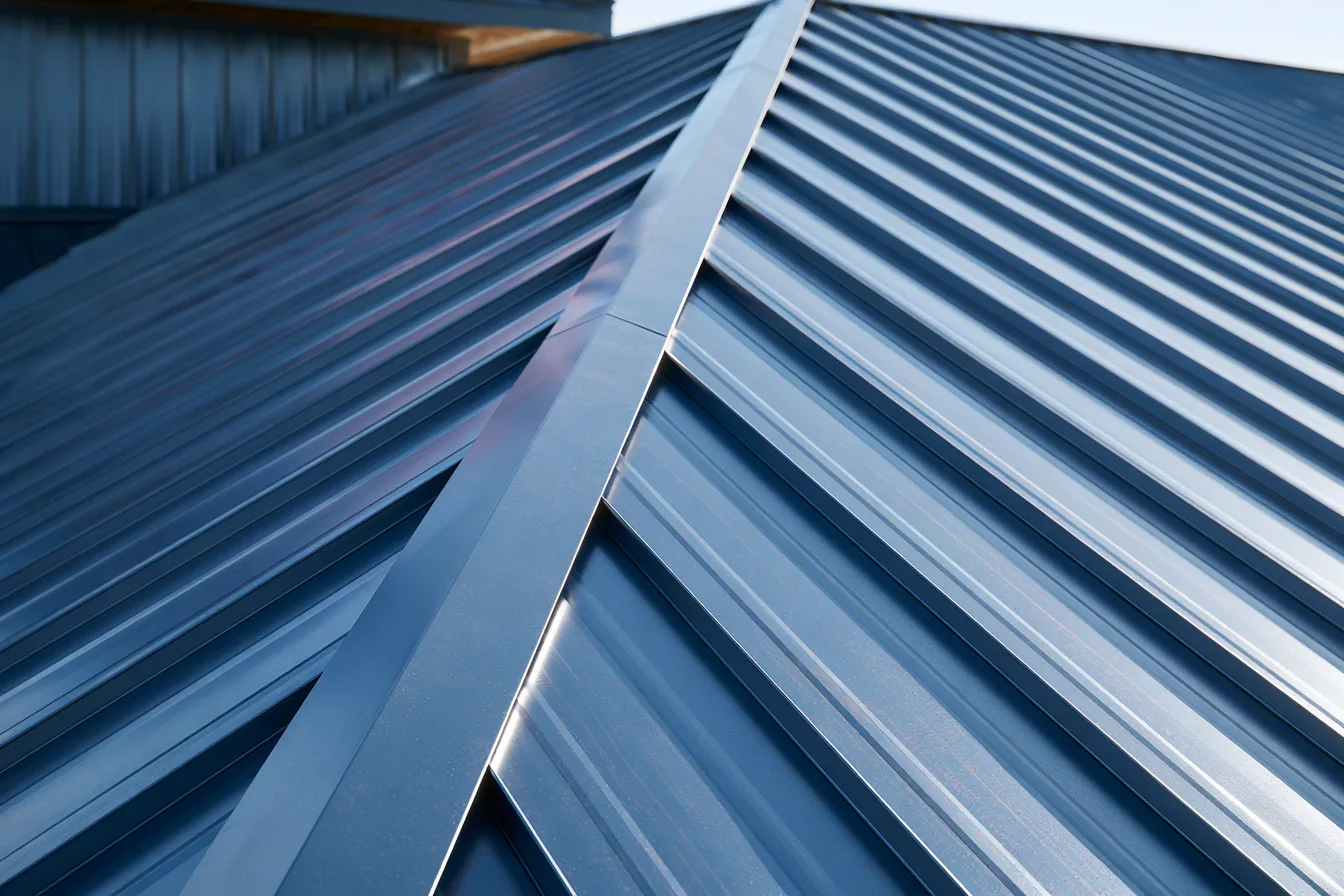
Standing-seam systems protect their attachment within seams or clips. The specified panel and clip design accommodates attachment and movement, with its own slope and installation requirements.
Fasteners and sealing washers remain exposed through the panel. Their condition and compatibility become maintenance points along with the panel laps and flashings.
Metal expands and contracts with temperature. Incorrectly constrained panels or incompatible details at penetrations can stress the connections. The system needs the specified movement and water-shedding details.
A conversion from shingles includes removal, deck condition and the selected system’s underlayment and attachment requirements. Roof shape, valleys and penetrations affect fabrication and labor. Structural suitability and applicable approvals also belong in the project assessment. The architectural-asphalt calculator does not price metal systems.
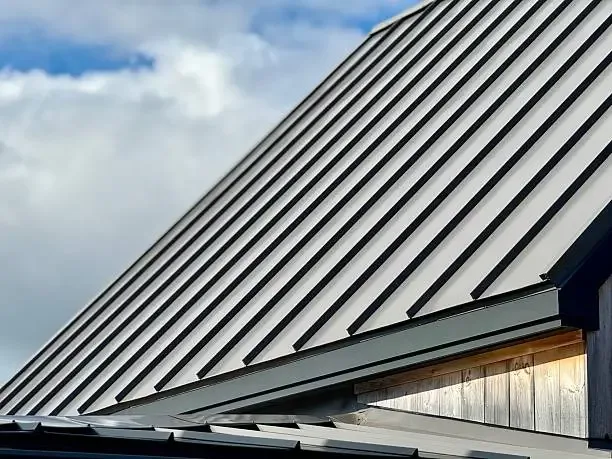
No. Panel seams and tested system requirements differ. The selected manufacturer’s assembly and the building’s roof slope determine whether that system is suitable.
Yes. Fasteners, seals, flashings, debris and drainage still need attention according to the system. Exposed-fastener and concealed-fastener roofs have different service points.
Tell us about the roof and your material questions. Start with a free inspection.