Intake at the lower roof
Air enters through suitable low openings, such as a designed soffit system. Insulation or construction details can block the intended path.

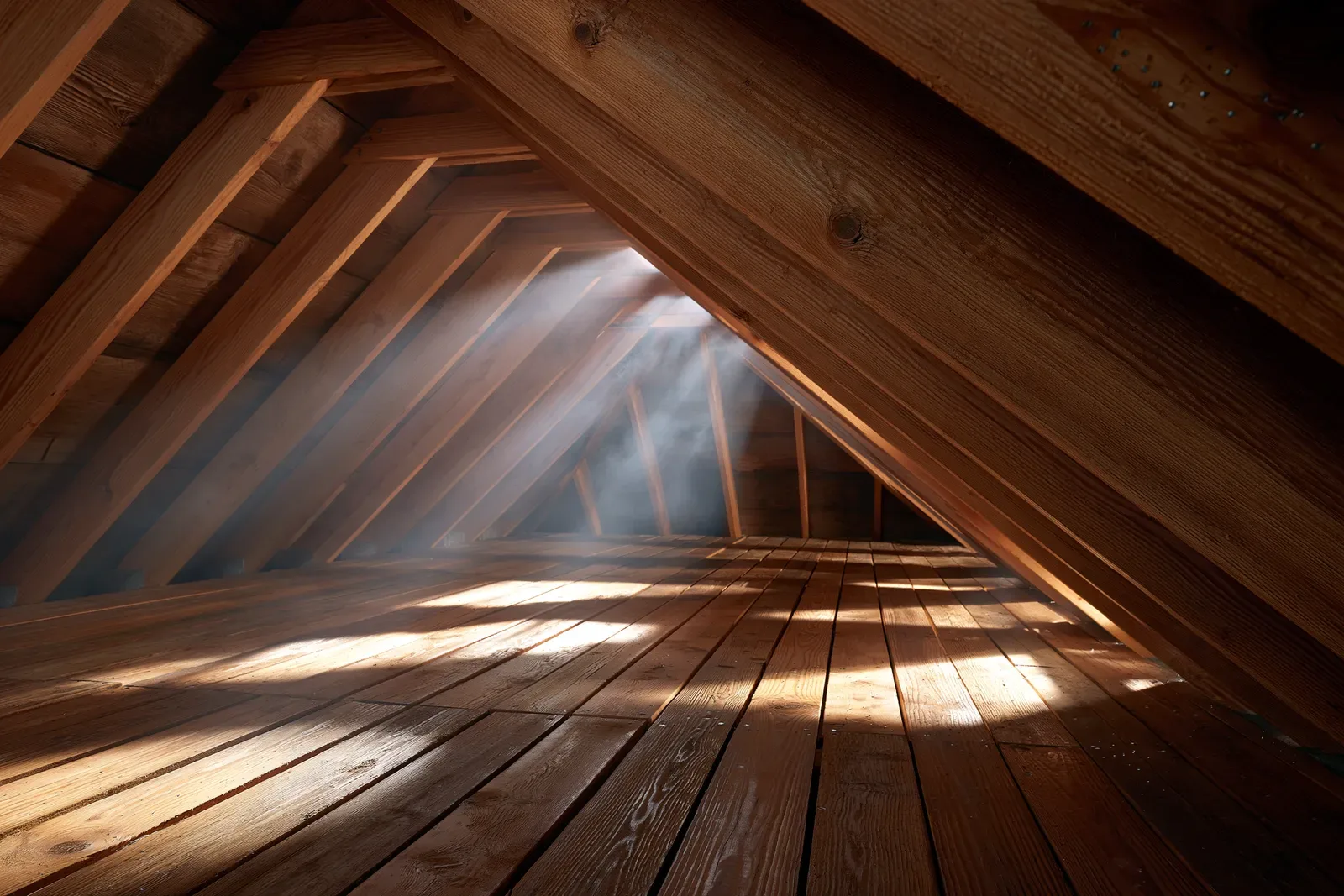
Understand the intake and exhaust path before adding or replacing roof vents.
Attic ventilation depends on a path for air to enter low and leave high. Adding an exhaust vent without suitable intake does not create that path by itself. The roof and attic arrangement determine which ventilation details are appropriate during repair or replacement.
Air enters through suitable low openings, such as a designed soffit system. Insulation or construction details can block the intended path.
Ridge or other exhaust openings let air leave through the designed system. Their location and size need to work with the available intake.
Moisture and heat concerns can also involve air leakage, insulation and the building’s use. A new vent alone does not correct a roof leak or every attic moisture problem. During replacement, the ventilation proposal considers the existing arrangement and the selected roof’s requirements alongside flashing and protective layers.

No. The intake path, exhaust arrangement and roof configuration need to work together. Mixing openings without a suitable plan can interfere with the intended airflow.
No. Rainwater entry and attic condensation have different causes. The assessment needs to distinguish the water path before choosing a repair or ventilation change.
Request a free inspection to discuss the roof concern and any planned replacement.