Plumbing vent
At a plumbing pipe, the rubber collar and its metal flashing base have separate jobs. A split collar lets water run beside the pipe; replacing it without checking the base and shingle laps can leave another path open.

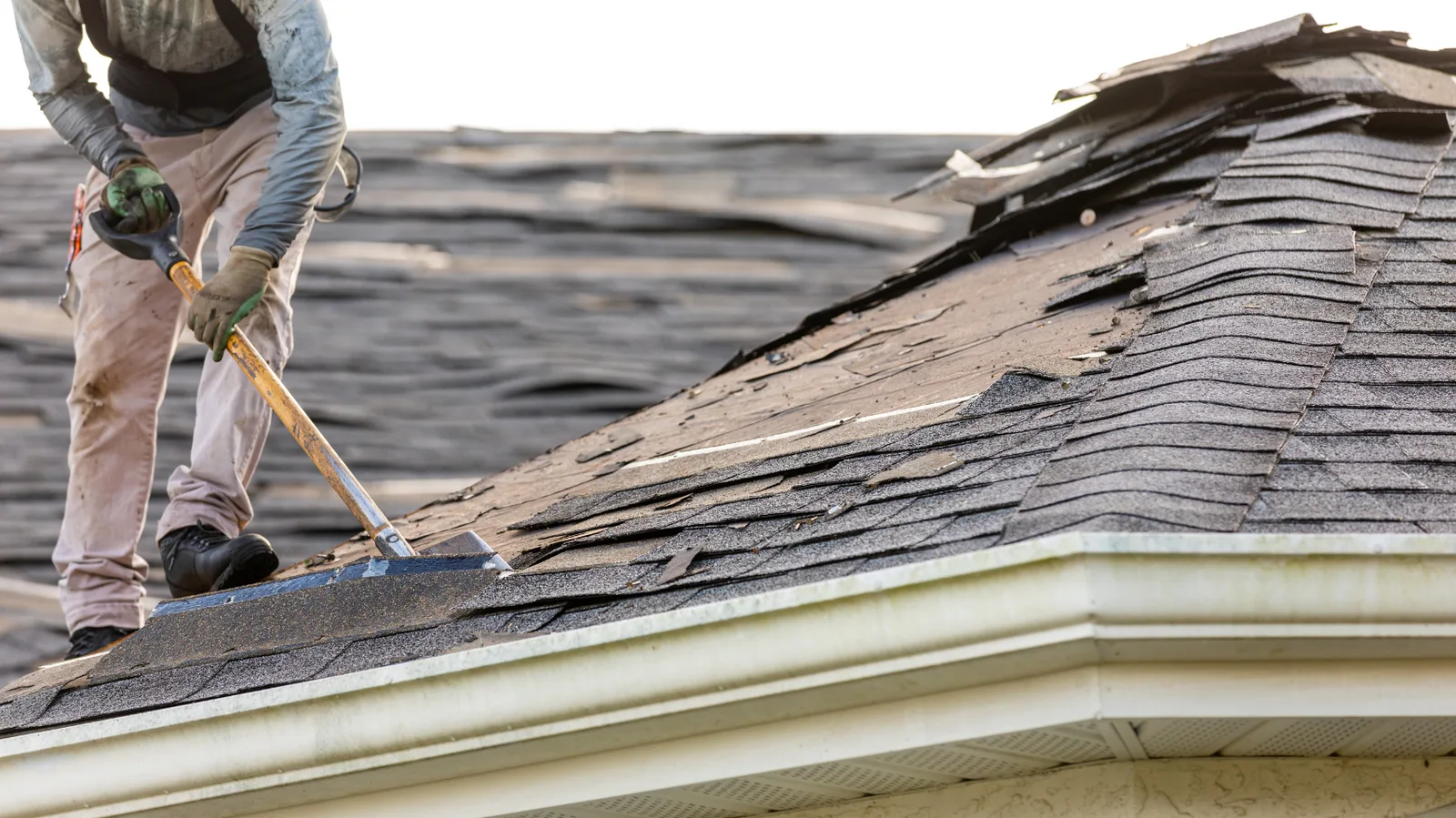
A useful roof repair fixes the opening and connects back to a sound roof. Get a free inspection in De Soto.
A shingle in the yard points to one place to look. A ceiling leak can take a longer route. Rain can follow an underlayment lap, a deck joint or framing before it shows up in a room. We inspect the roof to find the opening and the connections around it, then explain a repair that reaches sound material.
At a plumbing pipe, the rubber collar and its metal flashing base have separate jobs. A split collar lets water run beside the pipe; replacing it without checking the base and shingle laps can leave another path open.
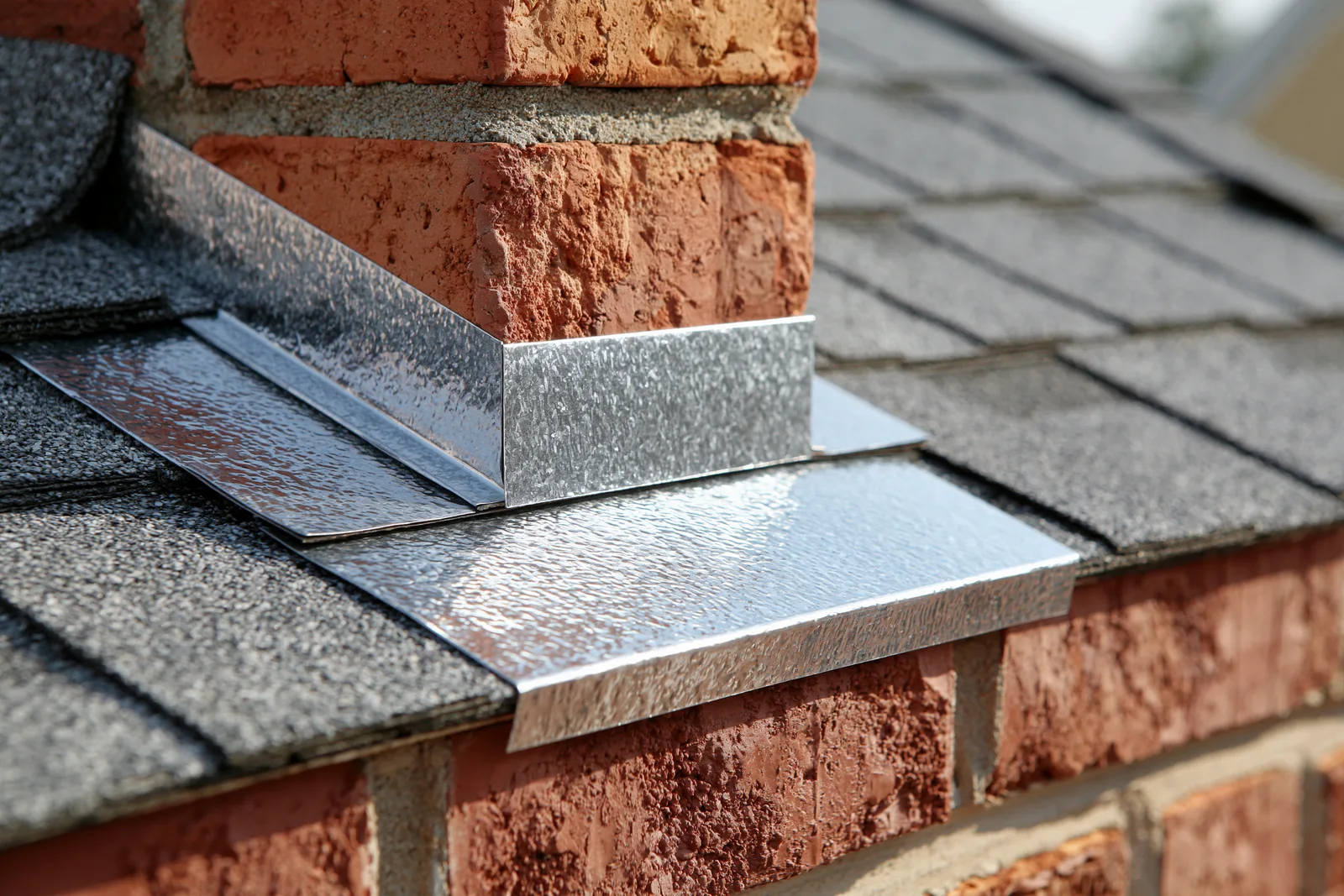
Wall and chimney flashing must redirect water where two surfaces meet. Loose metal, failed counterflashing or a poor connection with the wall covering can let water behind the roof. Smearing the exposed joint with sealant can hide the gap while leaving the drainage detail unchanged.
In a valley, two roof slopes concentrate water into one route. The covering, valley lining and nearby fasteners need to work together. Repair can require opening both sides of the water path rather than covering only the visible crack.
The repair boundary is where new work can reconnect reliably. Adjoining shingles must be workable and compatible, and the deck must support fastening. When lifting the covering reveals rotten wood or damaged underlayment, that material needs to be addressed before the roof is closed. A larger repair is sometimes the right answer; repeated scattered failures make replacement worth pricing as well.
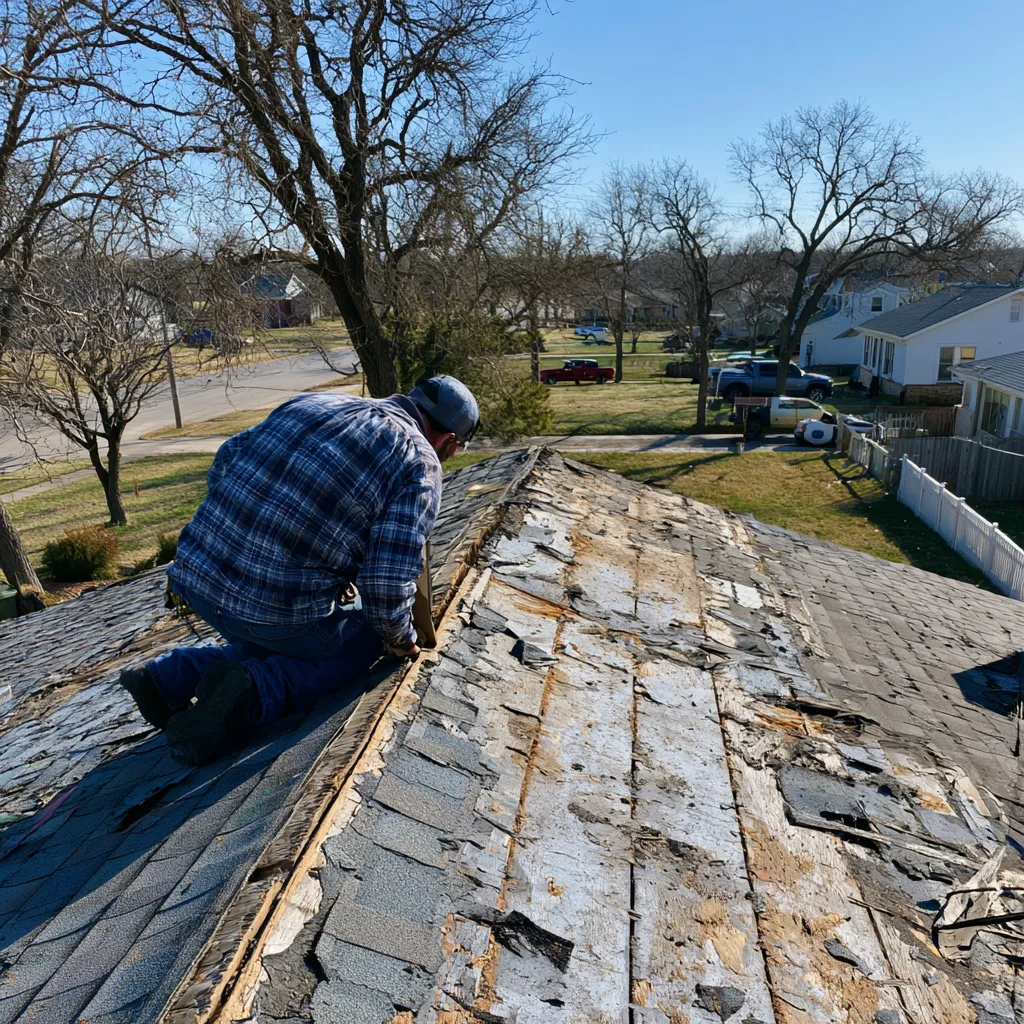
We start with the reported problem, inspect the likely water paths and explain the affected components. The proposed repair identifies what is being opened and replaced. Concealed damage can change that work once exposed, so the added scope and cost need agreement before it proceeds. A sound repair addresses the roof opening; interior finishes are a separate part of putting the room right.
Start with the reported symptom and the roof’s water paths.
Identify the failed detail, adjoining material and fastening base.
Agree on added work when opening the roof reveals more.
Access, steepness, material matching and the depth of the opening affect repair cost. Replacing a boot is different from rebuilding a wall-flashing connection, and damaged decking adds removal and carpentry. There is no useful flat repair price until the failed detail and its surroundings have been checked.
Pitch, height and safe handling.
Compatible covering and a correct flashing connection.
Wood and underlayment exposed as the repair opens.
Yes, when suitable replacement shingles can be joined to workable adjoining shingles, sound decking and correct flashing. Brittle surrounding material or damage below the covering can make the repair larger.
Sealant has specific uses, but it cannot replace the layered flashing or covering detail that needs rebuilding. A patch over a water path can conceal the problem without correcting how rain drains.
Tell us where water appears or what changed on the roof. A free inspection gets the repair conversation started.